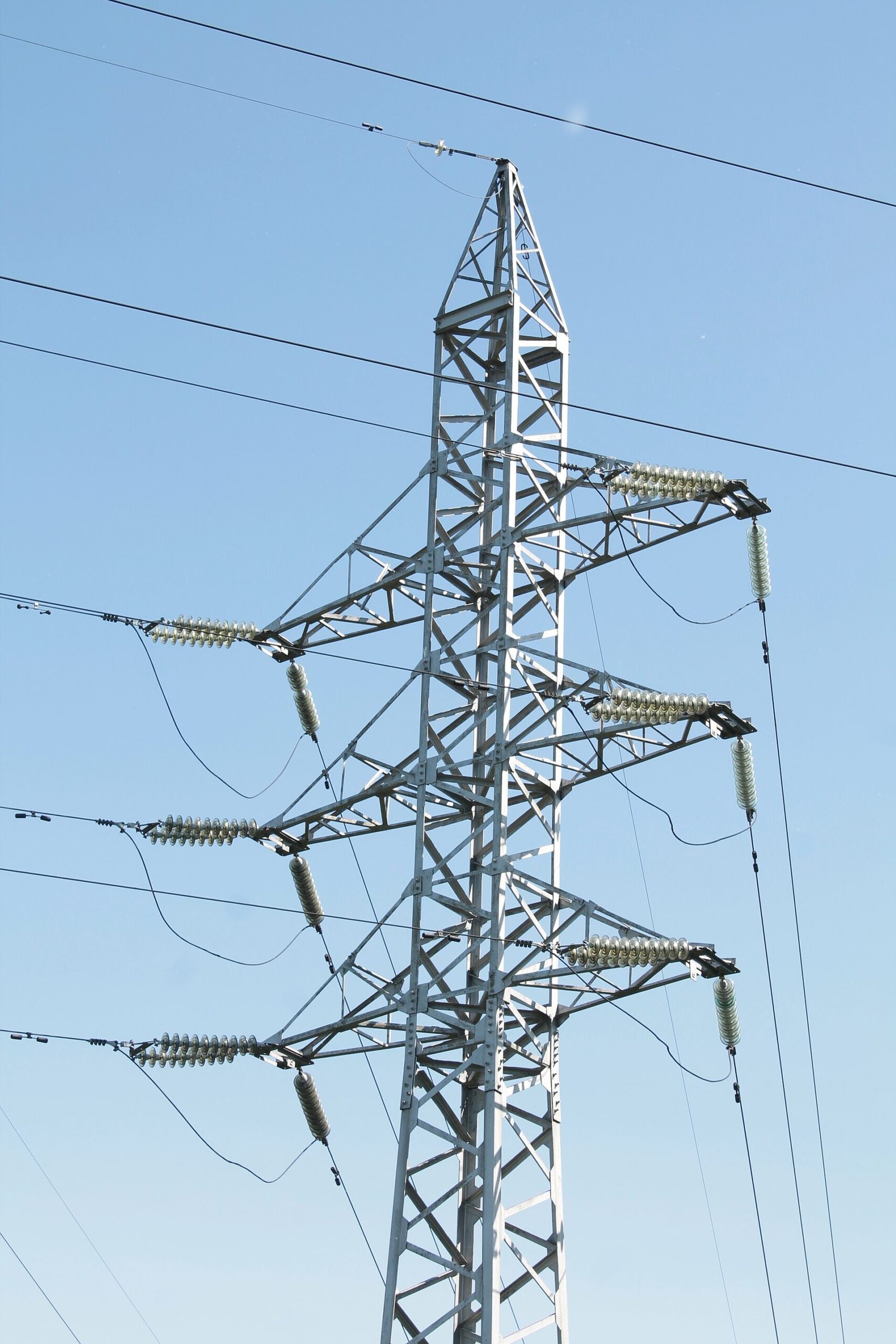
SPOKANE/NORTH IDAHO — Avista Corp., the regional utility serving Eastern Washington and North Idaho, has confirmed it is in negotiations with an unidentified company seeking to build a large-scale data center that would draw an initial 125 megawatts of electricity beginning in 2029 — a load that could grow to 500 megawatts by 2032.
The utility disclosed the arrangement in a Securities and Exchange Commission filing dated May 29, describing a nonbinding memorandum of understanding with the prospective customer. The filing did not name the company or specify a precise location, saying only that the proposed project would be situated within Avista’s Washington service territory.
Scale of the Proposed Load
To understand the magnitude of the proposal, consider that Avista’s entire service area — spanning Eastern Washington, North Idaho, and portions of Oregon — generates roughly 3,000 megawatts during peak demand. At full buildout, the single data center customer alone would account for approximately 16 percent of that total load. At the initial 125-megawatt draw, the project would consume electricity exceeding half of all current residential and commercial usage across Spokane County.
For Bonner County and the broader North Idaho Panhandle, the development is notable because the region falls within Avista’s service footprint. Any significant strain on regional transmission infrastructure or power supply planning would have downstream implications for communities from Sandpoint to Priest River and Clark Fork.
Avista spokesman Jared Webley sought to reassure existing ratepayers, stating that any final contract would be structured so that “the large load customer pays for the added costs,” including expenses tied to power supply, transmission upgrades, and broader infrastructure needs. The utility’s position is that existing customers should not bear the financial burden of serving an industrial-scale new arrival.
Local Opposition Takes Shape in Spokane
The announcement has sparked a swift reaction in Spokane. A petition opposing data center development in Spokane County was posted on Change.org and had begun gathering signatures as of early June. Spokane City Councilman Paul Dillon announced plans to introduce a moratorium ordinance targeting data center construction, expressing support for the advocacy effort. Meanwhile, Spokane City Councilwoman Sarah Dixit’s office confirmed she and several fellow council members are working with the city’s administration to assess and respond to the issue.
The local pushback echoes a broader national pattern. A recent Gallup poll found that roughly seven in ten Americans oppose data center construction for artificial intelligence purposes in their communities, with 48 percent expressing strong opposition. Ohio, which hosts more than 200 data centers, has been cited in policy discussions as a cautionary case, with estimates placing lost economic productivity at roughly $1 billion as a result of energy diversion and land use pressures associated with large-scale data infrastructure.
Whether Spokane-area politics will influence Avista’s ultimate decision remains to be seen. The memorandum of understanding is explicitly nonbinding, and no formal contract has been announced. The utility has not disclosed a timeline for completing negotiations or identifying the prospective customer publicly.
Economic Development Context for North Idaho
The data center sector has become one of the most closely watched segments of regional economic development across the inland Northwest. For communities like those in Bonner County, the question of large power consumers landing in adjacent markets affects everything from utility rate forecasting to grid reliability. Investment platforms in neighboring Kootenai County have already drawn national attention for their growth rankings, reflecting the broader economic momentum building across North Idaho and Eastern Washington.
Idaho’s rural communities have also been active in leveraging conservation and economic development tools. Groups like the Kaniksu Land Trust and the Priest Lake Foundation recently shared in Idaho Future Fund awards, illustrating how local organizations are shaping the region’s economic and environmental trajectory.
What Comes Next
Avista has not announced a timeline for finalizing negotiations or publicly naming the company involved. The Spokane City Council is expected to consider Councilman Dillon’s proposed moratorium ordinance in the coming weeks. Any approved contract between Avista and the data center customer would require regulatory review before implementation. Ratepayers and local officials across Avista’s North Idaho service area, including Bonner County communities, should monitor proceedings as details emerge from both the utility and Spokane municipal government.