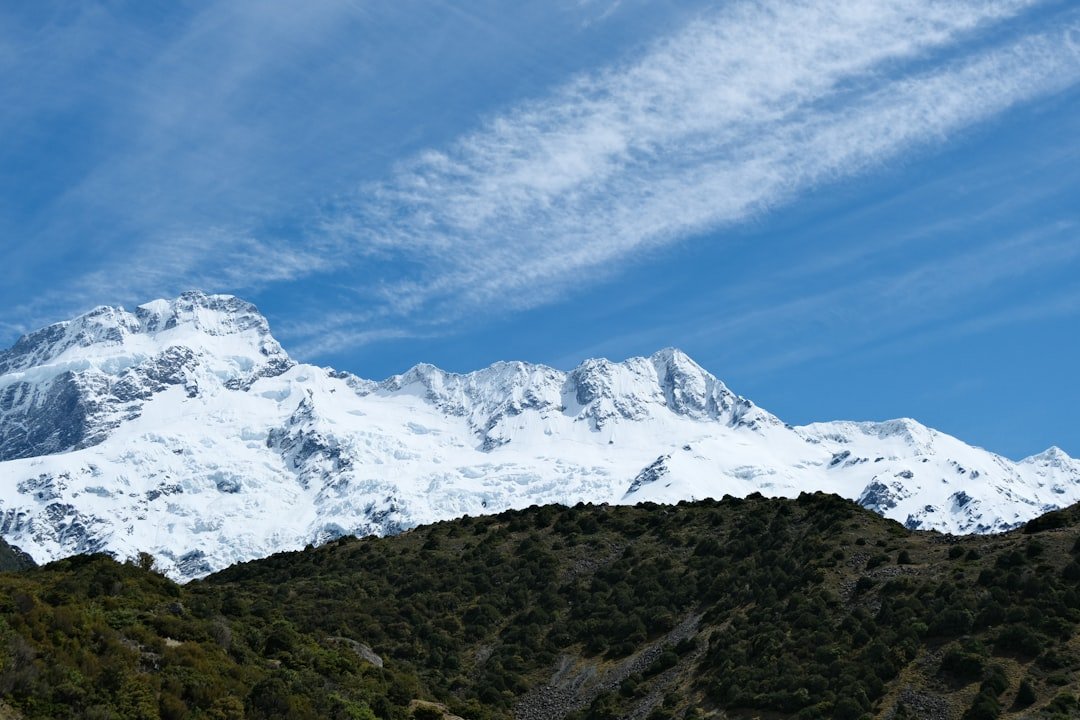
BONNER COUNTY, Idaho — Avalanche danger across the north Idaho mountains, including terrain surrounding Sandpoint, Schweitzer Mountain, and the broader Bonner County Panhandle region, is currently rated low, according to avalanche forecasters monitoring the area. The favorable conditions come as spring snowpack continues to settle across the region’s backcountry terrain, offering a relatively safe window for outdoor enthusiasts venturing into the mountains.
Avalanche risk ratings are issued by the Northwest Avalanche Center, which monitors snowpack stability across the Cascade Range and into the inland North Idaho and Pacific Northwest backcountry. A low rating — the safest category on the five-tier danger scale — indicates that naturally triggered avalanches are unlikely and human-triggered slides are unlikely on most slopes. However, forecasters consistently remind backcountry travelers that no avalanche danger rating means zero risk.
What Low Danger Means for Backcountry Travelers in North Idaho
Even with a low avalanche danger rating in place, safety officials and avalanche educators urge residents and visitors in Bonner County and surrounding areas to remain vigilant when skiing, snowshoeing, snowmobiling, or hiking in avalanche terrain. A low rating does not eliminate hazard entirely, particularly on steep, north-facing slopes or in areas where wind-deposited snow may have created localized instabilities.
The terrain around Schweitzer Mountain Resort, one of the premier ski destinations in the Idaho Panhandle and the broader intermountain West, includes significant backcountry access points adjacent to the resort boundary. Backcountry travelers using those zones are encouraged to carry avalanche rescue equipment — including a beacon, probe, and shovel — regardless of the current danger rating.
Snowmobilers and backcountry skiers accessing terrain near Pack River, the Cabinet Mountains, and other high-elevation zones throughout Bonner County should also check updated forecasts before each outing, as conditions can change rapidly with shifting temperatures and wind events, particularly during the transitional spring season.
Spring avalanche cycles are a well-documented phenomenon in north Idaho. As daytime temperatures warm and sunlight increases in duration, afternoon avalanche activity can spike even when morning conditions appear stable. Wet snow avalanches — heavy, slow-moving slides triggered by water percolating through the snowpack — become more common as the season progresses into April and May along Highway 200 and other mountain corridors in the region.
Spring Snowpack and Recreation Outlook for Bonner County
The current low avalanche risk also signals favorable conditions for spring recreation across Lake Pend Oreille and the surrounding mountains. Snowshoers, backcountry skiers, and cross-country travelers may find excellent consolidated snow in the high country during morning hours before solar warming softens the surface.
Local recreation advocates note that the window between late winter consolidation and spring melt represents some of the best backcountry travel conditions of the year in North Idaho. Stable snowpack supports easier travel, firmer crust in the morning, and reduced post-holing for those on foot.
Residents across the region have shown continued interest in outdoor recreation on public lands surrounding Sandpoint and Priest Lake, which serve as anchors for the region’s outdoor economy. Tourism and recreation dollars represent a meaningful component of Bonner County‘s economic activity, and favorable spring mountain conditions typically support a strong late-season push for visitors from the Inland Northwest and beyond. For broader statewide economic and policy context, Idaho News continues to track issues affecting communities across the state.
Officials with the Bonner County Sheriff’s Office and Idaho search and rescue teams have historically responded to backcountry incidents involving avalanches and winter travel emergencies in the region. Local emergency responders encourage all backcountry users to file a trip plan with a trusted contact and to carry communication devices when traveling in remote terrain. You can also follow related Idaho policy news, including a recent report on how the Idaho governor signed legislation to protect sensitive imagery from death investigations, which may affect how emergency incident records are handled across the state.
What Comes Next
Avalanche forecasters will continue issuing updated ratings for the North Idaho and Panhandle backcountry throughout the spring season. Residents and outdoor recreationists in Bonner County are encouraged to check the Northwest Avalanche Center’s website before each outing. As snowpack continues to evolve through April 2026, conditions may shift with incoming storm systems or warming trends, making regular forecast checks essential for safe travel in the mountains surrounding Sandpoint, Schweitzer Mountain, and the broader Idaho Panhandle.