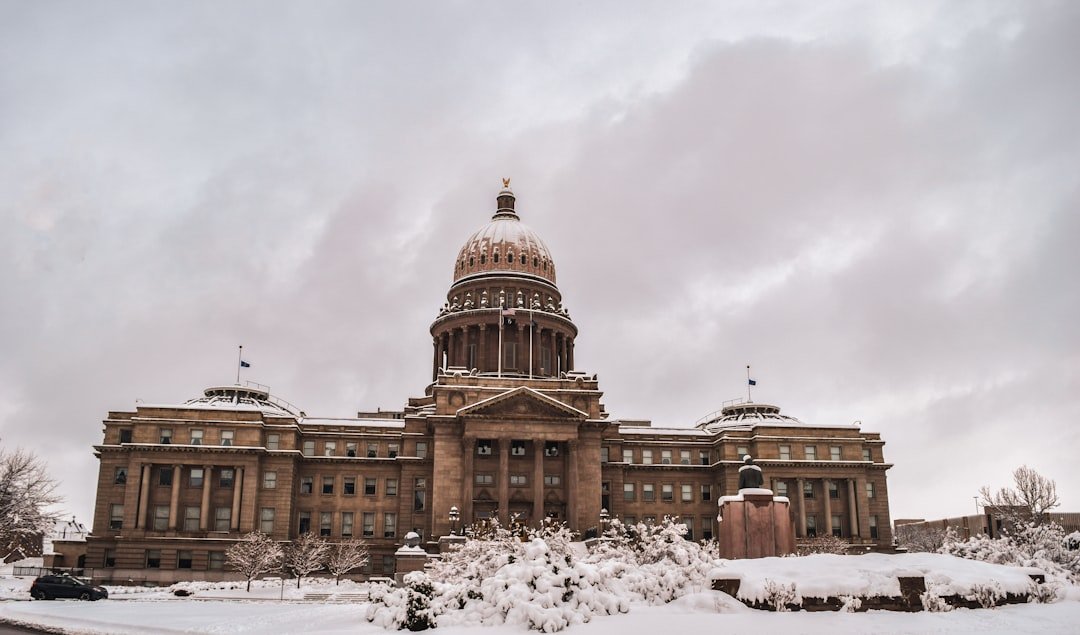
BOISE, Idaho — An Idaho legislative committee has advanced a bill that would formalize cooperation agreements between local law enforcement agencies and U.S. Immigration and Customs Enforcement, sending the measure forward with a requirement that amendments be made before it proceeds through the full legislative process. The bill, which has drawn attention from law enforcement officials and local governments across the state including in Bonner County and North Idaho, reflects ongoing efforts at the state level to align Idaho agencies with federal immigration enforcement priorities under President Donald Trump’s administration.
What the Bill Would Do
The legislation under consideration would establish or strengthen formal agreements — commonly known as 287(g) agreements — between local and county law enforcement agencies and ICE, the federal agency responsible for immigration enforcement. These agreements, authorized under federal law, allow local officers to perform certain immigration enforcement functions under the supervision and direction of ICE. Supporters of the measure argue that formalizing such cooperation strengthens public safety and ensures that local agencies can assist federal authorities in identifying and processing individuals who are in the country illegally.
The committee’s decision to send the bill forward contingent on amendments suggests that lawmakers identified specific provisions requiring refinement before the full Idaho House or Senate considers a final vote. The nature of the requested amendments had not been fully detailed in available reports at the time of publication, but such changes often relate to issues of liability, funding responsibilities, or the scope of local officer authority under the agreements.
For agencies like the Bonner County Sheriff’s Office and municipal police departments serving communities such as Sandpoint, Priest River, and Ponderay, the practical implications of such legislation could include new training requirements, coordination protocols with federal authorities, and potential shifts in how deputies and officers handle encounters involving immigration status questions.
Context Within Idaho’s Legislative Session
The advancement of the ICE cooperation bill comes during an active legislative session in which Idaho lawmakers have addressed a broad range of law enforcement and public safety measures. Idaho Governor Brad Little recently signed a separate bill preventing photographs from death investigations from becoming public, reflecting the Legislature’s continued focus on law enforcement policy and public records law. Those types of measures underscore the range of public safety issues moving through the Idaho Statehouse simultaneously.
Idaho has historically maintained a posture supportive of federal immigration enforcement cooperation, and the current political environment under the Trump administration — which has made immigration enforcement a central priority since the January 20, 2025, inauguration — has accelerated legislative interest in formalizing those relationships at the state level. Several other states have moved in similar directions, while others have passed laws restricting local cooperation with ICE, making Idaho’s approach notable on the national landscape.
Fiscal considerations are also a factor in any such legislation. Idaho lawmakers have recently approved significant Medicaid budget cuts totaling $22 million, indicating that the Legislature is weighing resource allocation carefully across multiple policy areas. Any ICE cooperation framework would likely require attention to costs associated with training, detention, and interagency coordination — costs that could affect county budgets in places like Bonner County.
Law enforcement leaders in North Idaho have generally been receptive to measures that expand coordination with federal agencies, citing concerns about criminal activity and public safety in rural and semi-rural communities along the Highway 95 and Highway 200 corridors. Formal ICE agreements would give local agencies clearer legal standing when federal immigration matters arise in their jurisdictions.
For broader statewide context on Idaho legislative developments, readers can follow ongoing coverage at Idaho News, which tracks legislation affecting communities across the state.
What Comes Next
The bill will return to committee or proceed to a full floor vote once the required amendments have been drafted and reviewed. If passed by both chambers of the Idaho Legislature and signed by Governor Little, the measure would take effect according to the timeline specified in the final version of the legislation. Local agencies, including those serving Bonner County residents, would then have a defined process for entering or updating formal cooperation agreements with ICE. Bonner County News will continue monitoring the bill’s progress through the Idaho Statehouse and report on any developments that directly affect law enforcement operations and communities in the Idaho Panhandle.